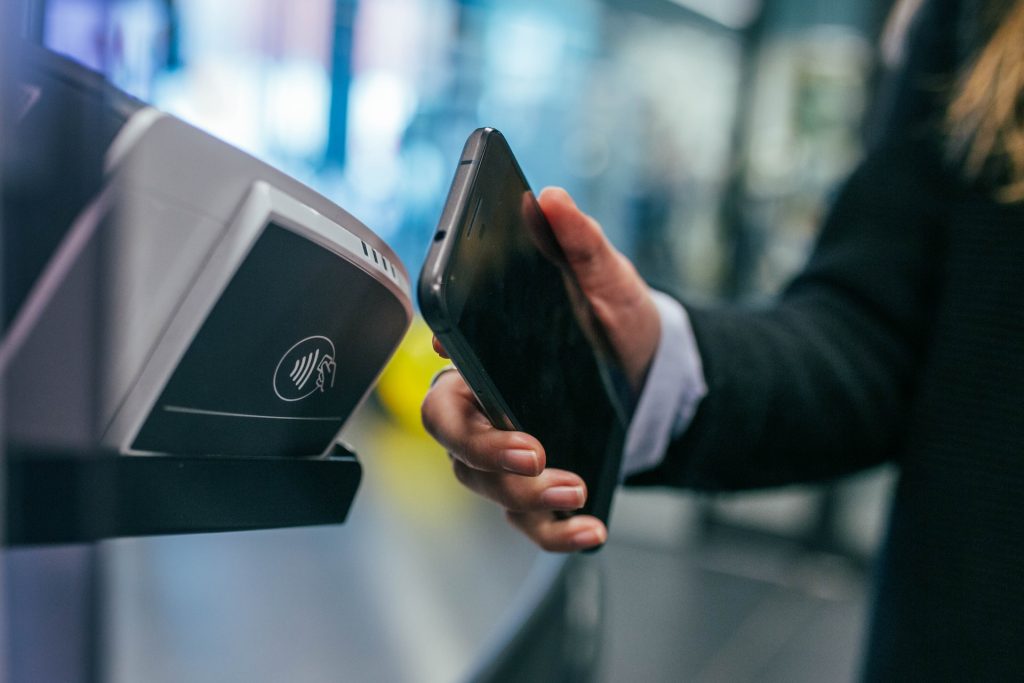
As a tourist visiting Sweden, you will immerse yourself in a unique cashless landscape that offers a glimpse into the future of money. With a rich history of innovation and a solid commitment to financial inclusion, Sweden has become a global leader in the cashless movement, providing valuable insights into the potential benefits and challenges of a world without physical currency. In this article, we will explore the various aspects of Sweden’s cashless society, from its historical context to its impact on the economy, the government’s stance, and the lessons that can be learned from its cashless model.
Introduction
Sweden has long been at the forefront of technological innovation, and its transition toward a cashless society is no exception. Over the past few decades, the country has embraced digital payment methods and seen a steady decline in the use of cash. Today, cash transactions account for less than 1% of the total transaction value, and many businesses no longer accept cash as a form of payment.
Several factors, including advancements in digital payment technologies, changing consumer preferences, and a supportive regulatory environment have driven this shift towards cashlessness. As a result, Sweden has become a trailblazer in the global cashless movement, offering valuable insights into the potential advantages and challenges of a world without physical currency.
Historical Context
The journey towards a cashless society in Sweden can be traced back to the late 20th century when the country began to embrace digital payment technologies. In the early 1990s, the Swedish central bank, the Riksbank, introduced electronic payment systems and digital banking services, which laid the foundation for the country’s cashless transition.
Over the following decades, the adoption of digital payment methods accelerated, driven by the widespread use of credit and debit cards, mobile payment apps, and contactless payment options. As a result, cash usage in Sweden has declined significantly, with many businesses and consumers now favoring digital payments for their convenience and efficiency.
The Swedish Banking System
The Swedish banking system has been pivotal in the country’s transition towards a cashless society. Major banks, including Swedbank, SEB, and Nordea, have embraced digital payment technologies and worked closely with fintech companies to develop innovative payment solutions that cater to the changing preferences of consumers.
One such collaboration is the development of Swish, a mobile payment app launched in 2012 by a consortium of Swedish banks. Swish allows users to make instant, secure payments using their smartphones and has become a popular alternative to cash for person-to-person transfers and in-store purchases. Another key player in Sweden’s cashless ecosystem is BankID, an electronic identification system that enables secure online banking, digital signatures, and payment authentication.
Technologies Fueling the Cashless Revolution in Sweden
Several technologies have played a crucial role in driving the cashless movement in Sweden, including:
- Mobile payment apps, such as Swish, which allow users to make instant, secure payments using their smartphones.
- Contactless payment options, including NFC-enabled credit and debit cards, which enable users to make fast, convenient payments without the need for physical contact.
- Electronic identification systems like BankID, which provide secure authentication for online banking and digital payments.
These technologies have been instrumental in driving the widespread adoption of digital payments in Sweden, making the country a global leader in the cashless movement.
Advantages of a Cashless Society
A cashless society offers numerous benefits for consumers, businesses, and the economy as a whole. Some of these advantages include:
- Increased efficiency and convenience: Digital payments are generally faster and more convenient than cash transactions, reducing wait times and improving the overall customer experience.
- Enhanced security and fraud prevention: Digital payment systems often incorporate advanced security features, such as encryption and biometric authentication, which can help protect against theft and fraud.
- Cost savings: The reduced reliance on cash can lead to lower costs for businesses and consumers, as handling, transporting, and storing physical currency can be expensive and resource-intensive.
- Improved financial inclusion: Digital payment systems can help improve access to financial services for underbanked and unbanked populations, particularly when combined with mobile banking and digital identity solutions.
- Greater transparency and traceability: Digital payments can provide greater transparency and traceability of transactions, facilitating tax collection and reducing the potential for corruption and money laundering.
Challenges and Concerns
Despite the numerous advantages of a cashless society, some several challenges and concerns must be addressed, including:
- Privacy and data security: The increased reliance on digital payment systems raises concerns about the potential misuse of personal and financial data, highlighting the need for robust data protection frameworks and transparent data handling practices.
- Digital divide: The transition towards a cashless society can exacerbate existing inequalities, as individuals who need access to digital technologies or the necessary skills to use them may be left behind.
- Loss of autonomy: A cashless society may lead to a loss of autonomy for individuals, as digital payments can be more easily tracked and monitored by governments and financial institutions.
- Potential system failures: As digital payment systems become more critical to the functioning of the economy, the risk of system failures and cyberattacks becomes an increasing concern.
The Swedish Government’s Stance on Cashlessness
The Swedish government has taken a proactive approach to addressing the challenges and concerns associated with a cashless society, while promoting the benefits of digital payments. Key initiatives include developing digital education programs, providing resources for underserved communities, and exploring new forms of public payment instruments, such as the e-krona.
The Riksbank, Sweden’s central bank, is currently researching the potential of a Central Bank Digital Currency (CBDC) known as the e-krona. The e-krona aims to provide a secure, accessible means of payment in a cashless society, while maintaining the stability and integrity of the country’s financial system.
Effects on the Swedish Economy
The transition towards a cashless society has had several notable effects on the Swedish economy, including increased efficiency, cost savings, and improved financial inclusion. Digital payments have facilitated faster, more convenient transactions, reducing the resources required to handle, transport, and store physical currency.
Furthermore, Sweden’s fintech sector’s growth has stimulated innovation and job creation, positioning the country as a global leader in digital payments and financial technology.
International Perspective
Sweden’s position as a global leader in cashless payments can be attributed to a combination of factors, including its strong digital infrastructure, supportive regulatory environment, and the widespread adoption of digital payment technologies. Other countries, such as Norway, Denmark, Finland, China, and South Korea, have also made significant strides in embracing cashless payments, driven by similar factors.
Governments and central banks worldwide are exploring ways to facilitate the adoption of cashless payments and address the challenges posed by this trend. Some countries, such as India and Nigeria, have launched initiatives to promote digital payments and improve financial inclusion. Others, like the European Union, are working to create a unified digital payment system to enhance cross-border transactions.
Lessons from Sweden’s Cashless Society Model
Sweden’s cashless society model offers valuable insights into the future of money and the potential benefits and challenges of a cashless world. Key lessons include the importance of collaboration and innovation, prioritizing financial inclusion, balancing security and privacy, adapting to changing consumer preferences, and preparing for the future of money.
Conclusion
As you embark on your trip to Sweden, be prepared to embrace the cashless experience and enjoy the convenience and innovation that comes with it. Remember to take necessary precautions to protect your privacy and security, be mindful of the potential challenges and concerns, and be ready to adapt to the changing world of money.
By understanding the historical context, technological advancements, and the Swedish government’s stance on cashlessness, you can better appreciate the unique aspects of the country’s cashless landscape. Additionally, exploring the effects on the Swedish economy, the international perspective, and the lessons that can be learned from Sweden’s cashless society model will provide valuable insights into the global cashless movement and its potential implications.
In conclusion, Sweden’s journey towards becoming a cashless society offers a fascinating glimpse into the future of money and the advantages and challenges of embracing digital payments. As a tourist visiting Sweden, you will have the opportunity to experience this cashless society firsthand and witness its impact on everyday life. So, pack your digital wallets and get ready to explore the cutting-edge world of Sweden’s cashless society.
